Blog

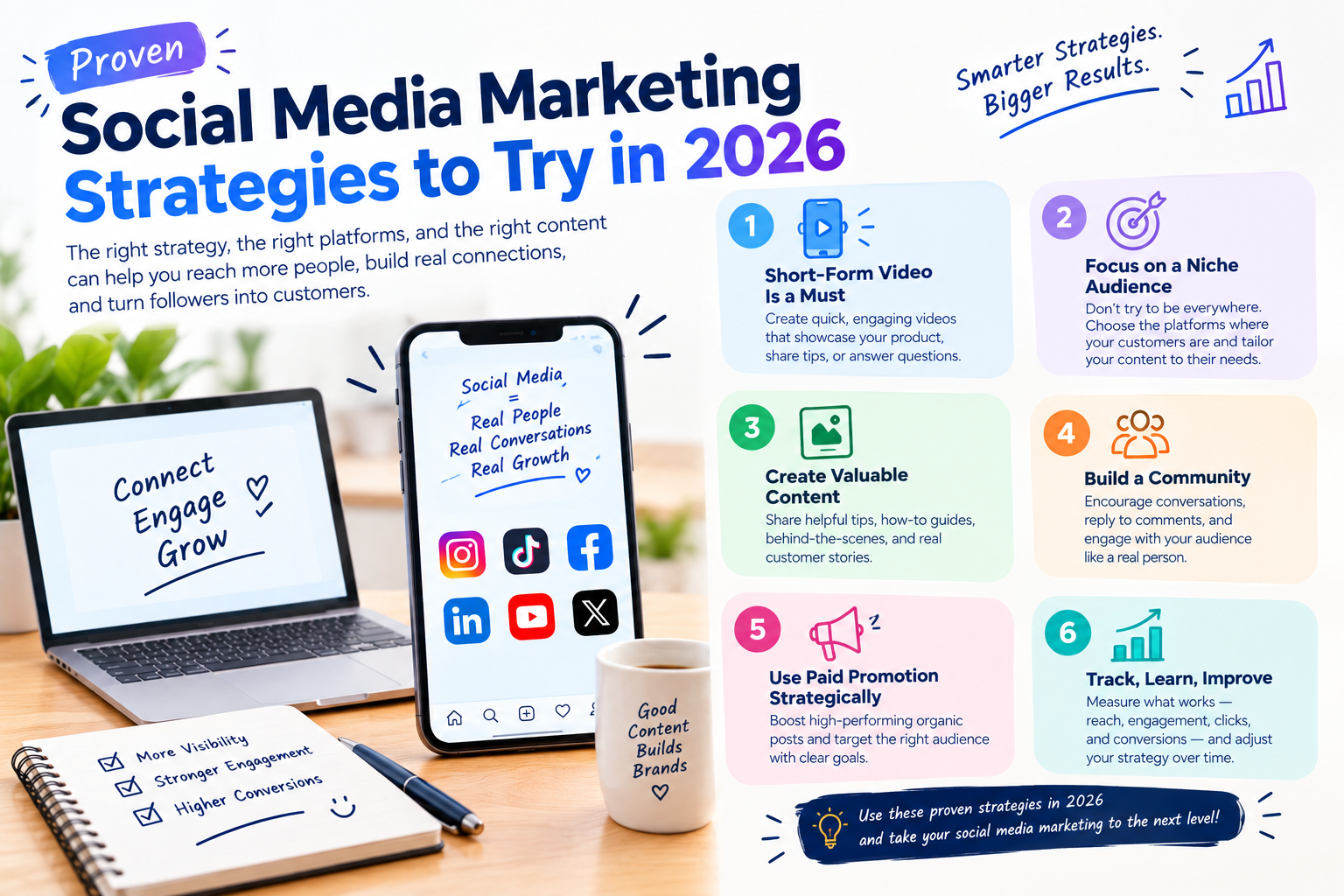
  • Proven Social Media Marketing Strategies to Try in 2026

    Proven Social Media Marketing Strategies to Try in 2026

    Social media marketing has changed dramatically over the past few years. Simply posting a product photo, adding a few hashtags, and waiting for customers is no longer enough.

    In 2026, successful social media marketing is about creating useful content, building communities, starting conversations, and turning attention into measurable business results.

    For small businesses, this offers a valuable opportunity to grow and connect with customers.

    You don’t need a huge marketing team or an enormous advertising budget. With the right platform, consistent content, and a clear strategy, social media can help you build brand awareness, generate leads, and increase sales.

    So, which social media marketing strategies are delivering results in 2026?

    Let’s explore them.

    1. Focus on the Right Platforms

    One common mistake businesses make is trying to maintain a presence on every social media platform.

    You don’t necessarily need Facebook, Instagram, TikTok, YouTube, LinkedIn, Pinterest, and every new platform at the same time.

    Instead, identify where your target customers spend their time and focus your resources there.

    For example:

    Instagram: Visual brands, fashion, food, beauty, lifestyle and local businesses

    YouTube: Educational content, tutorials, reviews and long-form video

    TikTok: Short-form entertainment, discovery and creator-led content

    LinkedIn: B2B companies, professionals and service businesses

    Facebook: Local communities, groups, older audiences and advertising

    WhatsApp: Customer conversations, enquiries and relationship building

    For many small businesses, focusing on one or two platforms is more effective than spreading resources across six or seven.

    The key is simple:

    Be where your customers are—not everywhere.

    1. Make Short-Form Video a Key Part of Your Strategy

    Short-form videos remain one of the most effective content formats for engaging audiences on social media in 2026.

    Instagram Reels, YouTube Shorts, TikTok videos and short videos on other platforms give businesses opportunities to reach people beyond their existing followers.

    But you don’t need expensive cameras or professional production.

    Simple videos can work extremely well.

    For example:

    Behind-the-scenes videos

    Product demonstrations

    Quick tutorials

    Before-and-after videos

    Customer testimonials

    Frequently asked questions

    “How it’s made” videos

    Industry tips

    Day-in-the-life content

    Common mistakes

    Quick product comparisons

    In 2026, authenticity is often more valuable than excessive production.

    A useful 30-second video that solves a customer’s problem can be more valuable than a perfectly produced advertisement.

    1. Create Content That Educates, Entertains or Solves Problems

    One of the most important social media marketing principles is to stop thinking about every post as an advertisement.

    People don’t open Instagram, TikTok or YouTube simply because they want to see advertisements.

    They want information, entertainment, inspiration and connection.

    A strong content strategy should therefore include different content categories.

    Educational content

    Teach your audience something useful.

    Examples:

    5 Common Mistakes to Avoid When Choosing a Laptop

    “How to choose the right skincare product”

    “3 ways to improve your website”

    “How to save money on your monthly electricity bill”

    Entertaining content

    Create content that people genuinely enjoy watching or sharing.

    Inspirational content

    Show transformations, success stories, customer results or behind-the-scenes journeys.

    Promotional content

    Explain your products, services, offers and benefits.

    A useful rule is:

    Give value before asking for a sale.

    1. Use AI to Work Faster—Not to Become Generic

    Artificial intelligence has become a powerful assistant for social media marketers.

    AI can help you:

    Generate content ideas

    Create captions

    Develop video scripts

    Research topics

    Repurpose content

    Analyze performance

    Build content calendars

    Brainstorm hooks

    Summarize customer feedback

    However, businesses should avoid publishing large amounts of generic AI-generated content without human editing.

    Your audience wants to hear your brand’s perspective—not content that sounds exactly like every other business.

    Use AI for efficiency while keeping human creativity, experience and personality at the center.

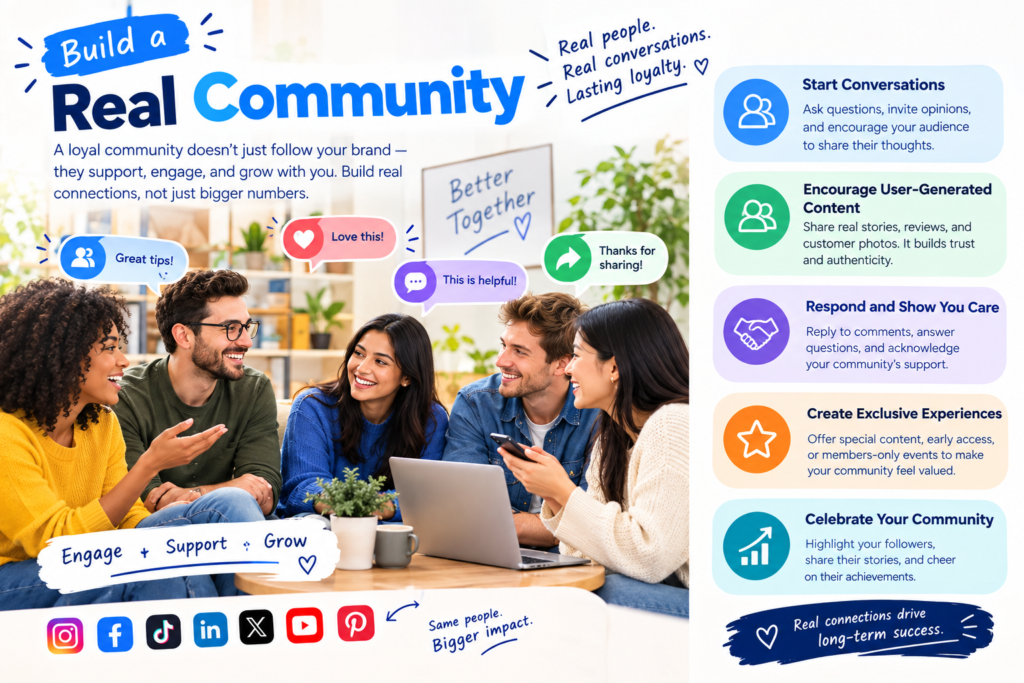
    1. Build a Real Community

    Social media is becoming less about broadcasting messages and more about creating communities.

    Instead of asking:

    “How many people saw my post?”

    start asking:

    “How many people started a conversation with my business?”

    Respond to comments.

    Answer questions.

    Reply to DMs.

    Ask your audience questions.

    Create polls.

    Share customer stories.

    Recognize loyal customers.

    Community management can turn passive followers into people who actively recommend your business.

    For small businesses, this personal interaction can be a major competitive advantage.

    1. Use DMs to Turn Interest Into Customers

    A social media follower isn’t automatically a customer.

    There needs to be a bridge between attention and conversion.

    Direct messages can provide that bridge.

    For example, a business could end a post with:

    Want the latest prices? Send us a DM to get the complete price list.

    Or:

    “Message us ‘GUIDE’ and we’ll send you the free checklist.”

    This creates a clear and easy path from content to meaningful conversations.

    For businesses operating in India, WhatsApp can also be an important part of this process. Social media can generate interest, while messaging can help answer questions, share details and move customers toward a purchase.

    1. Encourage User-Generated Content

    Customers can become some of your most powerful marketers.

    User-generated content (UGC) includes:

    Customer reviews

    Customer photos

    Product videos

    Testimonials

    Unboxing videos

    Before-and-after results

    Customer stories

    Instead of always telling people how good your business is, let your customers demonstrate it.

    For example, a clothing brand can encourage customers to share photos of themselves wearing its products.

    A restaurant could repost customer food photos.

    A fitness business could share customer success stories.

    This builds social proof and helps the brand appear more genuine and trustworthy.

    1. Work With Micro and Nano Influencers

    Influencer marketing is also changing.

    Businesses don’t necessarily need to work with celebrities who have millions of followers.

    Smaller creators can provide access to highly relevant communities.

    Micro- and nano-influencers often have strong relationships with their audiences and can create content that feels more natural than traditional advertising.

    When choosing an influencer, don’t focus only on follower count.

    Look at:

    Audience relevance

    Engagement quality

    Content style

    Trust

    Brand alignment

    Previous collaborations

    Actual conversions

    A creator with 10,000 highly relevant followers may be more valuable to your business than someone with 500,000 unrelated followers.

    Recent industry reporting also shows a growing emphasis on authenticityandsmaller creators rather than relyingsolely on massive follower counts.

    1. Create Content Series Instead of Random Posts

    A random

    1. Don’t Ignore Social Search

    People increasingly use social platforms to discover information, products, businesses and recommendations.

    This means your social media content should be discoverable.

    Instead of writing vague captions, use clear language that describes what your content is about.

    For example, instead of:

    “You won’t believe this!”

    try:

    “5 Instagram marketing tips for small businesses in 2026.”

    Use relevant keywords in:

    • Captions
    • Video titles
    • On-screen text
    • Profiles
    • Descriptions
    • Spoken content where appropriate

    Think about what your customers would actually search for.

    11. Use Paid Advertising Strategically
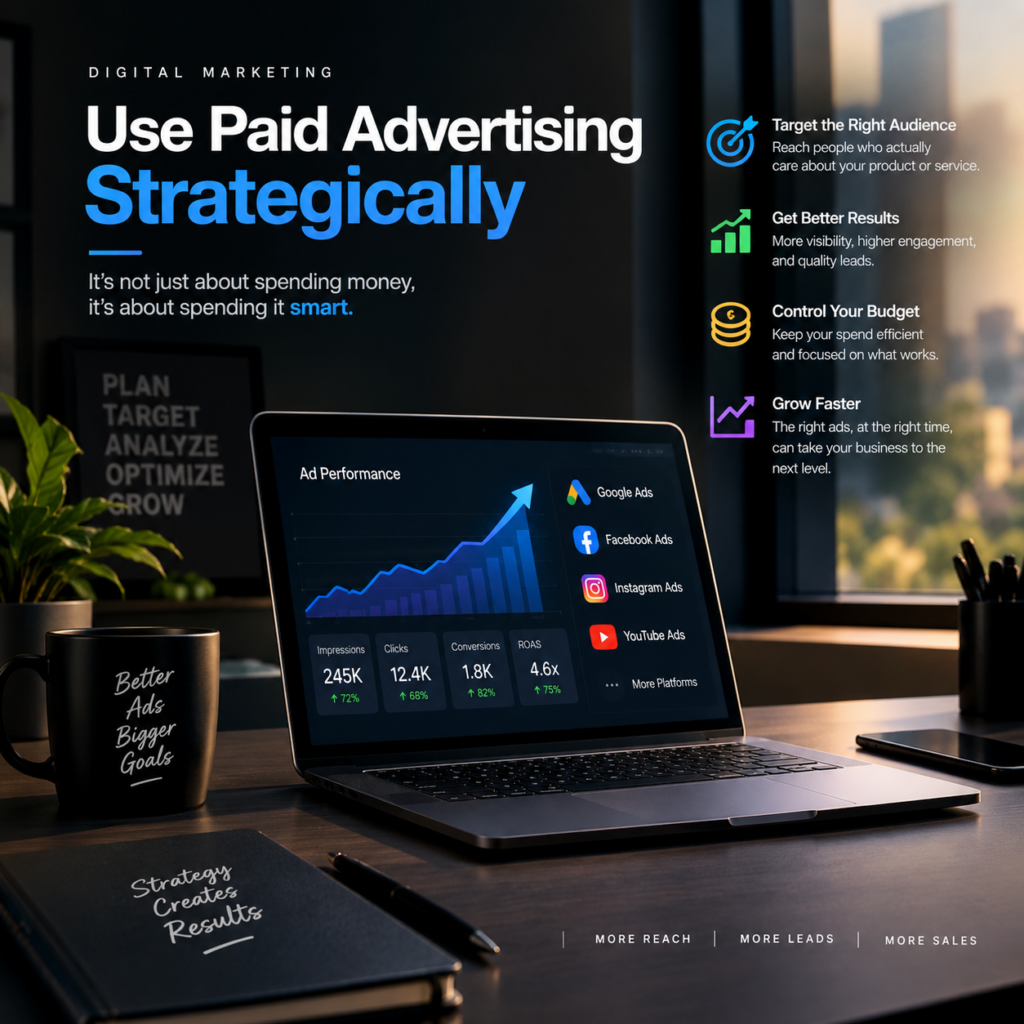
    Organic social media is valuable, but paid advertising can help businesses reach targeted audiences more quickly.

    You don’t need to spend a huge amount of money.

    Start small.

    Test different:

    • Audiences
    • Creatives
    • Offers
    • Headlines
    • Calls to action
    • Landing pages

    Then invest more in what produces results.

    One effective approach is to identify organic posts that already perform well and use paid promotion to reach a larger relevant audience.

    Don’t boost posts simply because they received likes.

    Instead, look for content that generates meaningful actions such as website visits, enquiries, leads or purchases.

    12. Measure Business Results—Not Just Followers

    Follower count can look impressive, but it doesn’t necessarily indicate business growth.

    A better social media strategy measures outcomes.

    Important metrics include:

    • Reach
    • Engagement rate
    • Profile visits
    • Website clicks
    • DMs
    • Leads
    • Sales
    • Conversion rate
    • Cost per lead
    • Return on advertising spend
    • Customer retention

    For example, getting 10,000 views is nice.

    But if another video gets 2,000 views and generates 20 qualified enquiries, the second video may be much more valuable.

    Vanity metrics show attention. Business metrics show impact.

    13. Repurpose Your Best Content

    Creating new content every day can be exhausting.

    Instead, make one strong piece of content and repurpose it.

    For example, a 10-minute YouTube video could become:

    • 3 Instagram Reels
    • 5 short social posts
    • 1 LinkedIn post
    • 1 blog article
    • 5 quote graphics
    • 1 email newsletter
    • Several FAQ answers

    This allows you to get more value from the same idea without constantly starting from zero.

    14. Focus on Authenticity

    Consumers are becoming increasingly aware of overly polished marketing.

    Your audience wants to know:

    • Who is behind the business?
    • How is the product made?
    • What does the team look like?
    • What do real customers think?
    • What makes your business different?

    Show the human side of your company.

    Share mistakes.

    Show your process.

    Introduce your team.

    Tell your story.

    Authenticity doesn’t mean being unprofessional.

    It means being real and recognizable.

    15. Build a Simple Social Media Funnel

    Your social media strategy should have a clear path from discovery to purchase.

    A simple funnel might look like this:

    Step 1: Discover

    A person sees your Reel, Short or post.

    ↓

    Step 2: Engage

    They visit your profile or watch more content.

    ↓

    Step 3: Trust

    They see educational content, reviews and customer stories.

    ↓

    Step 4: Contact

    They send a DM, visit your website or contact you on WhatsApp.

    ↓

    Step 5: Convert

    They purchase your product or service.

    ↓

    Step 6: Retain

    You continue communicating with them and encourage repeat purchases or referrals.

    This is much more effective than simply posting content and hoping someone buys.

    A Simple 2026 Social Media Strategy

    If you’re a small business owner and don’t know where to begin, try this simple framework.

    Choose 1–2 platforms

    Don’t try to manage everything at once.

    Create 3–5 pieces of content per week

    Focus on useful and engaging content rather than posting just for the sake of posting.

    Use short-form video

    Create simple videos that answer customer questions and demonstrate your expertise.

    Engage every day

    Spend time replying to comments and messages.

    Create one clear offer

    Give your audience an obvious next step, such as contacting you, booking a consultation or visiting your website.

    Track results

    Review your analytics every week and identify what generated the most meaningful business activity.

    Improve

    Create more of what works and reduce what doesn’t.

    Common Social Media Marketing Mistakes to Avoid in 2026

    Even with the best tools, businesses can waste time by making a few common mistakes.

    Chasing followers

    A large audience isn’t useful if none of them are potential customers.

    Posting without a strategy

    Random content rarely produces consistent results.

    Being on every platform

    More platforms mean more work. Focus on the channels that matter.

    Using too much promotional content

    People don’t want every post to be an advertisement.

    Ignoring comments and DMs

    Social media is a conversation, not a billboard.

    Copying competitors

    Your brand needs its own voice and perspective.

    Relying completely on AI

    AI can speed up your workflow, but generic content can make your brand forgettable.

    Measuring likes instead of sales

    Engagement matters, but business outcomes matter more.

    Final Thoughts

    Social media marketing in 2026 is not about finding one secret algorithm trick.

    It’s about building a system that consistently attracts the right audience, provides useful content, creates conversations and turns attention into business results.

    The most effective strategies combine short-form video, authentic content, community building, AI-assisted workflows, creator partnerships, social search, DMs and data-driven decision-making.

    Most importantly, don’t try to do everything.

    Choose the platforms where your customers are, understand what they need, create content that genuinely helps them, and measure what contributes to your business.

    The goal isn’t to become the most-followed brand on social media. The goal is to become the brand your ideal customers remember, trust and choose.

     

    1. Don’t Ignore Social Search

    People increasingly turn to social media to find information, products, businesses, and recommendations. That’s why your content should be easy for potential customers to discover.

    Instead of writing vague captions, use clear language that describes what your content is about.

    For example, instead of:

    “You won’t believe this!”

    try:

    5 Instagram Marketing Tips Small Businesses Can Use in 2026

    Use relevant keywords in:

    Captions

    Video titles

    On-screen text

    Profiles

    Descriptions

    Spoken content where appropriate

    Think about what your customers would actually search for.

    1. Use Paid Advertising Strategically

    Organic social media can build long-term engagement, while paid advertising helps businesses reach specific audiences more quickly.

    You don’t need to spend a huge amount of money.

    Start small.

    Test different:

    Audiences

    Creatives

    Offers

    Headlines

    Calls to action

    Landing pages

    Then invest more in what produces results.

    A practical approach is to identify high-performing organic posts and promote them to reach a wider, relevant audience.

    Don’t boost posts simply because they received likes.

    Instead, look for content that generates meaningful actions such as website visits, enquiries, leads or purchases.

    1. Measure Business Results—Not Just Followers

    Follower count can look impressive, but it doesn’t necessarily indicate business growth.

    A better social media strategy measures outcomes.

    Important metrics include:

    Reach

    Engagement rate

    Profile visits

    Website clicks

    DMs

    Leads

    Sales

    Conversion rate

    Cost per lead

    Return on advertising spend

    Customer retention

    For example, getting 10,000 views is nice.

    But if another video gets 2,000 views and generates 20 qualified enquiries, the second video may be much more valuable.

    Vanity metrics show attention. Business metrics show impact.

    1. Repurpose Your Best Content

    Creating new content every day can be exhausting.

    Instead of creating new content for every platform, focus on producing one valuable piece and repurpose it in different formats. For example, a 10-minute YouTube video could be turned into:

    3 Instagram Reels

    5 short social posts

    1 LinkedIn post

    1 blog article

    5 quote graphics

    1 email newsletter

    Several FAQ answers

    This helps you maximize the value of one idea without having to create everything from scratch each time.

    1. Focus on Authenticity

    Consumers are becoming increasingly aware of overly polished marketing.

    Your audience wants to know:

    Who is behind the business?

    How is the product made?

    What does the team look like?

    What do real customers think?

    What makes your business different?

    Show the human side of your company.

    Share mistakes.

    Show your process.

    Introduce your team.

    Tell your story.

    Authenticity doesn’t mean being unprofessional.

    It means being real and recognizable.

    1. Build a Simple Social Media Funnel

    Your social media strategy should guide customers through a clear journey from discovering your brand to making a purchase.

    A simple funnel might look like this:

    Step 1: Discover

    A person sees your Reel, Short or post.

    ↓

    Step 2: Engage

    They explore your profile or interact with more of your content.

    ↓

    Step 3: Build Trust

    They discover helpful content, reviews, and real customer experiences that strengthen their confidence in your brand.

    ↓

    Step 4: Contact

    They send a DM, visit your website or contact you on WhatsApp.

    ↓

    Step 5: Convert

    They purchase your product or service.

    ↓

    Step 6: Retain

    You continue communicating with them and encourage repeat purchases or referrals.

    This is much more effective than simply posting content and hoping someone buys.

    A Simple 2026 Social Media Strategy

    If you’re a small business owner and don’t know where to begin, try this simple framework.

    Choose 1–2 platforms

    Don’t try to manage everything at once.

    Create 3–5 pieces of content per week

    Prioritize valuable and engaging content instead of posting simply to stay active.

    Use short-form video

    Create easy-to-understand videos that address customer questions and showcase your expertise.

    Engage every day

    Spend time replying to comments and messages.

    Create one clear offer

    Give your audience an obvious next step, such as contacting you, booking a consultation or visiting your website.

    Track results

    Review your analytics every week and identify what generated the most meaningful business activity.

    Improve

    Create more of what works and reduce what doesn’t.

    Common Social Media Marketing Mistakes to Avoid in 2026

    Even with the best tools, businesses can waste time by making a few common mistakes.

    Chasing followers

    A large audience isn’t useful if none of them are potential customers.

    Posting without a strategy

    Random content rarely produces consistent results.

    Being on every platform

    More platforms mean more work. Focus on the channels that matter.

    Using too much promotional content

    People don’t want every post to be an advertisement.

    Ignoring comments and DMs

    Social media should encourage conversations and interactions rather than simply broadcasting promotional messages.

    Copying competitors

    Your brand needs its own voice and perspective.

    Relying completely on AI

    AI can speed up your workflow, but generic content can make your brand forgettable.

    Measuring likes instead of sales

    Engagement matters, but business outcomes matter more.

    Final Thoughts

    Social media marketing in 2026 is not about finding one secret algorithm trick.

    It’s about building a system that consistently attracts the right audience, provides useful content, creates conversations and turns attention into business results.

    The most effective strategies combine short-form video, authentic content, community building, AI-assisted workflows, creator partnerships, social search, DMs and data-driven decision-making.

    Most importantly, don’t try to do everything.

    Focus on the platforms your customers use, understand their needs, create genuinely helpful content, and track what drives meaningful business results.

    The goal isn’t to become the most-followed brand on social media. The goal is to become the brand your ideal customers remember, trust and choose.
  • AI in Digital Marketing: How AI Is Changing Marketing in 2026

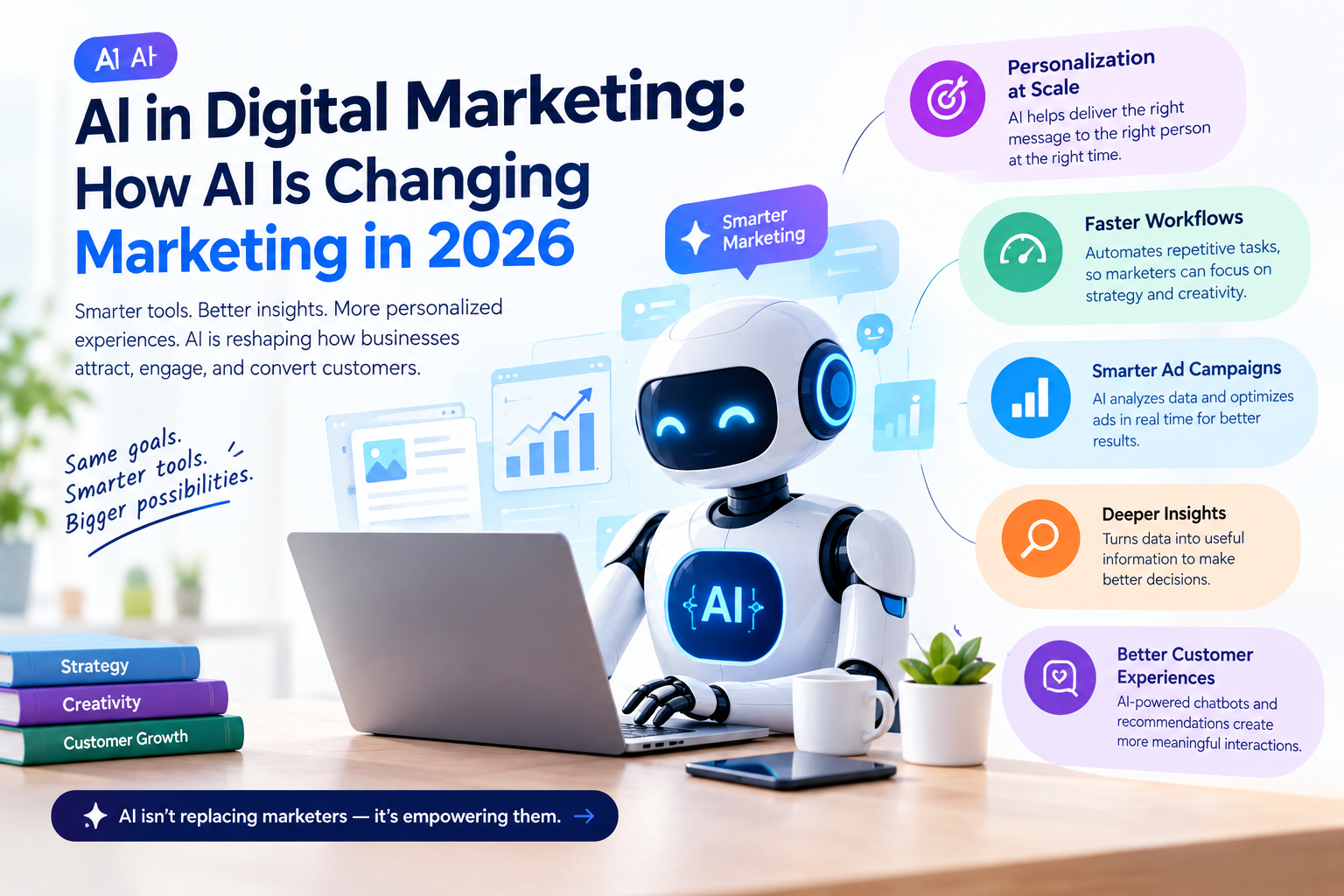
    AI in Digital Marketing: How AI Is Changing Marketing in 2026

    Artificial intelligence (AI) is no longer just a futuristic technology. In 2026, it has become an important part of digital marketing, helping businesses understand customers, create content, automate repetitive tasks, and make better marketing decisions.

    From AI-powered search and personalized advertising to chatbots and automated content creation, AI is changing how brands attract and engage their audiences.

    For small businesses in particular, AI can provide access to powerful marketing capabilities without requiring a large marketing team or budget.

    In this article, we’ll explore how AI is changing digital marketing in 2026 and how businesses can use it effectively.

    What Is AI in Digital Marketing?

    AI in digital marketing refers to using artificial intelligence technologies to analyze data, understand customer behavior, automate tasks, and improve marketing campaigns.AI in Digital Marketing: How AI Is Changing MarketingHere are a few natural 2026-focused rewrites:


    In 2026, artificial intelligence (AI) is no longer a futuristic concept—it has become a practical part of everyday life and business.

    In 2026, AI has moved beyond the realm of futuristic technology and into everyday business and marketing.

    Artificial intelligence (AI) is no longer a technology of the future; in 2026, it is already transforming how businesses operate and market their products.

    . In 2026, it has become an important part of digital marketing, helping businesses understand customers, create content, automate repetitive tasks, and make better marketing decisions.From AI-powered search and personalized advertising to chatbots and automated content creation, AI is changing how brands attract and engage their audiences.For small businesses in particular, AI can provide access to powerful marketing capabilities without requiring a large marketing team or budget.In this article, we’ll explore how AI is changing digital marketing in 2026 and how businesses can use it effectively.What Is AI in Digital Marketing?AI in digital marketing refers to using artificial intelligence technologies to analyze data, understand customer behavior, automate tasks, and improve marketing campaigns.Traditional marketing often depends on manual research and decision-making. AI can process large amounts of information quickly and identify patterns that may be difficult for humans to detect.For example, marketers can use AI to:Generate content ideasAnalyze customer behaviorPersonalize marketing messagesAutomate customer supportOptimize advertising campaignsIdentify potential customersAnalyze SEO opportunitiesPredict customer trendsCreate reports and marketing insightsAI doesn’t necessarily replace marketers. Instead, it can help marketers work faster and focus more on strategy, creativity, and customer relationships.1. AI Is Transforming Content CreationOne of the biggest changes AI has brought to digital marketing is the ability to assist with content creation.AI tools can help marketers generate:Blog ideasSocial media captionsEmail campaignsProduct descriptionsAd copyVideo scriptsHeadlinesContent outlinesHowever, simply publishing AI-generated content is not a complete content strategy.Successful businesses still need human expertise, original ideas, accurate information, brand personality, and useful experiences for their audiences.The best approach is to use AI as a content assistant, while humans remain responsible for strategy, fact-checking, editing, and creativity.2. AI Is Changing SEOSearch engine optimization is also changing rapidly.Search engines are increasingly using AI to understand the meaning and context behind searches. At the same time, users are increasingly receiving answers directly within search experiences rather than always clicking through to traditional search results.This means businesses need to think beyond simply targeting individual keywords.A modern SEO strategy should focus on:Search intentHelpful and original contentTopic authorityClear website structureFirst-hand experienceStrong brand credibilityNatural languageTechnical SEOUseful answers to specific questionsAI can help marketers discover content gaps, organize topics, analyze competitors, and identify potential search opportunities.But businesses should avoid relying on AI to produce large quantities of generic content. Quality and usefulness remain essential.3. Personalized Marketing Is Becoming SmarterCustomers don’t want to receive irrelevant messages.AI makes it easier for businesses to personalize marketing based on customer behavior, interests, previous purchases, and interactions.For example, an online store could use AI to recommend products based on what a customer has previously viewed or purchased.An email campaign could also be customized based on a customer’s interests or stage in the buying journey.This creates a more relevant experience and can improve engagement and conversions.4. AI-Powered Chatbots Are Improving Customer ServiceAI chatbots are becoming increasingly useful for businesses that receive repetitive customer questions.A chatbot can help answer questions about:Products and servicesPricingBusiness hoursDeliveryBookingFrequently asked questionsBasic technical supportInstead of requiring a team member to answer every simple question manually, AI can handle many routine interactions.However, businesses should still provide an easy way for customers to reach a human when they have complex or sensitive issues.5. AI Is Changing Digital AdvertisingPaid advertising platforms are increasingly using automation and machine learning to help advertisers optimize campaigns.AI can assist with:Audience targetingAd variationsBudget allocationBid optimizationConversion analysisCampaign recommendationsPerformance forecastingFor marketers, this means the role of advertising is moving away from manually controlling every setting and toward setting clear objectives, providing quality creative assets, analyzing performance, and making strategic decisions.Human oversight is still important because automated systems can only work effectively when they receive accurate goals, quality data, and appropriate constraints.6. AI Helps Businesses Understand Customer DataData is one of the most valuable resources in digital marketing.Businesses collect information from websites, social media, advertising platforms, email campaigns, and customer interactions.The challenge is turning this data into useful insights.AI can help marketers identify:Which campaigns generate the most leadsWhich customers are most likely to convertWhich content performs bestWhere customers leave the buying journeyWhich products are gaining interestWhich marketing channels produce better resultsThis allows businesses to make decisions based more on data and less on guesswork.7. AI Is Improving Social Media MarketingSocial media marketers can use AI throughout the content creation and management process.AI can help with:Content ideasCaption writingContent calendarsAudience researchTrend analysisImage and video conceptsComment analysisPerformance reportingFor small businesses, this can significantly reduce the time required to maintain an active social media presence.However, social media still depends heavily on authenticity. Audiences want to connect with real people and brands, so AI-generated content should be reviewed and adapted to match the company’s genuine voice.8. Predictive Marketing Is Becoming More AccessibleOne of the most powerful applications of AI is prediction.AI systems can analyze historical data and identify patterns that may helpbusinesses anticipate future customer behavior.For example, businesses may use predictive analytics to estimate:Which customers may make another purchaseWhich leads are more likely to convertWhich products may become more popularWhen customers may stop engaging with a brandThis can help marketers act proactively instead of simply reacting to past results.9. AI Can Help Small Businesses Compete With Larger BrandsAI isn’tonly useful for large corporations.Small businesses can use AI to accomplish tasks that previously required a larger marketing team.For example, one small business owner could use AI-assisted tools to:Research a target audienceCreate a content calendarGenerate initial content draftsAnalyze website performanceDevelop email campaignsCreate advertising variationsAutomate routine customer questionsGenerate marketing reportsThis can save time and allow small businesses to focus more resources on customer service and business growth.10. The Human Element Still MattersDespite the rapid growth of AI, successful marketing still requires human judgment.AI can generate an idea, but marketers need to determine whether that idea is appropriate.AI can analyze data, but humans need to decide what action the business should take.AI can create content, but people need to ensure that the content is accurate, useful, original, and aligned with the brand.The future of marketing isn’t simply AI versus humans.It is more likely to be AI + human expertise.Businesses that combine automation with creativity, experience, empathy, and strategic thinking can create stronger marketing campaigns.How Businesses Can Start Using AI in MarketingYou don’t need to adopt dozens of AI tools immediately.A better approach is to start with one or two marketing problems.Step 1: Identify repetitive tasksLook for activities that consume significant time, such as content research, reporting, customer FAQs, or social media planning

    Step 2: Choose the right AI toolSelect tools based on the specific problem you’re trying to solve rather than choosing a tool simply because it is popular.Step 3: Keep humans involvedReview AI-generated content, recommendations, and analysis before using them publicly or making important business decisions.Step 4: Measure the resultsTrack metrics such as:Website trafficLeadsConversion rateEngagementCustomer response timeAdvertising ROIContent performanceStep 5: Improve continuouslyAI marketing works best as an ongoing process. Test different approaches, an

    Traditional marketing often depends on manual research and decision-making. AI can process large amounts of information quickly and identify patterns that may be difficult for humans to detect.

    For example, marketers can use AI to:

    Generate content ideas

    Analyze customer behavior

    Personalize marketing messages

    Automate customer support

    Optimize advertising campaigns

    Identify potential customers

    Analyze SEO opportunities

    Predict customer trends

    Create reports and marketing insights

    AI doesn’t necessarily replace marketers. Instead, it helps marketers save time and focus more on strategy, creativity, and building strong customer relationships.

    1. AI Is Transforming Content Creation

    One of the biggest changes AI has brought to digital marketing is the ability to assist with content creation.

    AI tools can help marketers generate:

    Blog ideas

    Social media captions

    Email campaigns

    Product descriptions

    Ad copy

    Video scripts

    Headlines

    Content outlines

    However, simply publishing AI-generated content is not a complete content strategy.

    Successful businesses still need human expertise, original ideas, accurate information, brand personality, and useful experiences for their audiences.

    The best approach is to use AI as a content assistant, while humans remain responsible for strategy, fact-checking, editing, and creativity.

    1. AI Is Changing SEO

    Search engine optimization is also changing rapidly.

    Search engines are increasingly using AI to understand the meaning and context behind searches. At the same time, users are increasingly receiving answers directly within search experiences rather than always clicking through to traditional search results.

    This means businesses need to think beyond simply targeting individual keywords.

    A modern SEO strategy should focus on:

    Search intent

    Helpful and original content

    Topic authority

    Clear website structure

    First-hand experience

    Strong brand credibility

    Natural language

    Technical SEO

    Useful answers to specific questions

    AI can help marketers discover content gaps, organize topics, analyze competitors, and identify potential search opportunities.

    However, businesses should avoid depending on AI to create large amounts of generic, repetitive content. Quality and usefulness remain essential.

    1. Personalized Marketing Is Becoming Smarter

    Customers don’t want to receive irrelevant messages.

    AI makes it easier for businesses to personalize marketing based on customer behavior, interests, previous purchases, and interactions.

    For example, an online store could use AI to recommend products based on what a customer has previously viewed or purchased.

    An email campaign could also be customized based on a customer’s interests or stage in the buying journey.

    This creates a more relevant experience and can improve engagement and conversions.

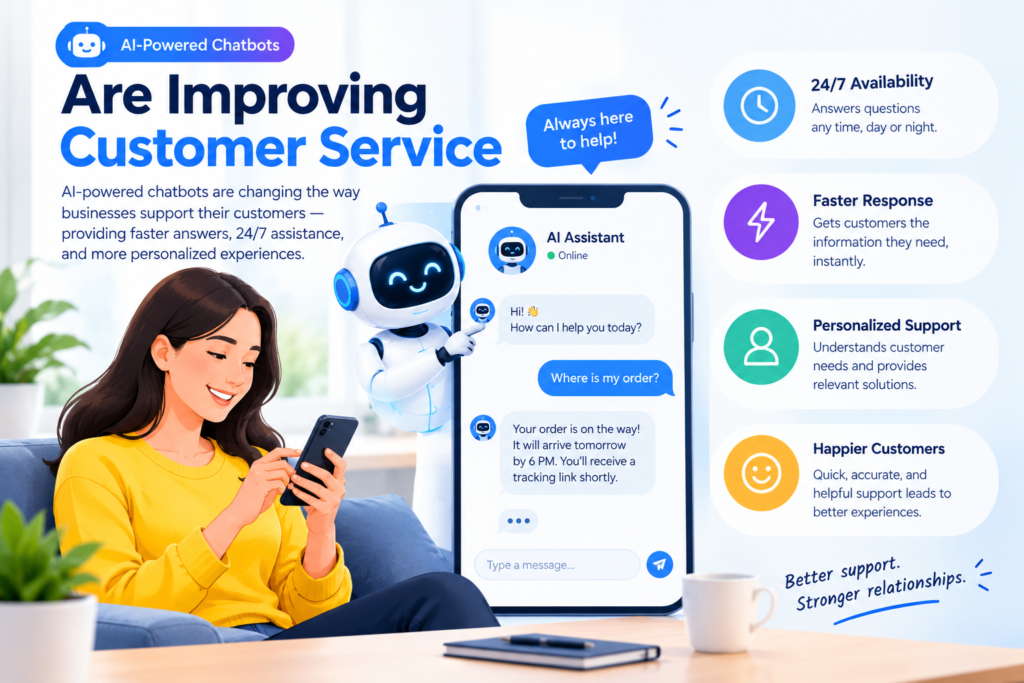
    1. AI-Powered Chatbots Are Improving Customer Service

    AI chatbots are becoming increasingly useful for businesses that receive repetitive customer questions.

    A chatbot can help answer questions about:

    Products and services

    Pricing

    Business hours

    Delivery

    Booking

    Frequently asked questions

    Basic technical support

    Instead of requiring a team member to answer every simple question manually, AI can handle many routine interactions.

    However, businesses should still provide an easy way for customers to reach a human when they have complex or sensitive issues.

    1. AI Is Changing Digital Advertising

    Paid advertising platforms are increasingly using automation and machine learning to improve campaign performance and help advertisers achieve better results.

    AI can assist with:

    Audience targeting

    Ad variations

    Budget allocation

    Bid optimization

    Conversion analysis

    Campaign recommendations

    Performance forecasting

    For marketers, this means the role of advertising is moving away from manually controlling every setting and toward setting clear objectives, providing quality creative assets, analyzing performance, and making strategic decisions.

    Human oversight is still important because automated systems can only work effectively when they receive accurate goals, quality data, and appropriate constraints.

    1. AI Helps Businesses Understand Customer Data

    Data is one of the most important assets for making informed decisions in digital marketing.

    Businesses collect information from websites, social media, advertising platforms, email campaigns, and customer interactions.

    The challenge is turning this data into useful insights.

    AI can help marketers identify:

    Which campaigns generate the most leads

    Which customers are most likely to convert

    Which content performs best

    Where customers leave the buying journey

    Which products are gaining interest

    Which marketing channels produce better results

    This helps businesses make informed decisions based on data rather than relying on guesswork.

    1. AI Is Improving Social Media Marketing

    Social media marketers can use AI throughout the content creation and management process.

    AI can help with:

    Content ideas

    Caption writing

    Content calendars

    Audience research

    Trend analysis

    Image and video concepts

    Comment analysis

    Performance reporting

    For small businesses, this can save significant time when managing an active social media presence.

    However, social media still depends heavily on authenticity. Audiences want to connect with real people and brands, so AI-generated content should be reviewed and adapted to match the company’s genuine voice.

    1. Predictive Marketing Is Becoming More Accessible

    One of the most valuable uses of AI is its ability to predict future trends and outcomes.

    AI systems can analyze historical data and identify patterns that may help businesses anticipate future customer behavior.

    For example, businesses may use predictive analytics to estimate:

    Which customers may make another purchase

    Which leads are more likely to convert

    Which products may become more popular

    When customers may lose interest in a brand

    This can help marketers act proactively instead of simply reacting to past results.


  • Email Marketing: How to Turn Subscribers Into Customers

    Email Marketing: How to Turn Subscribers Into Customers

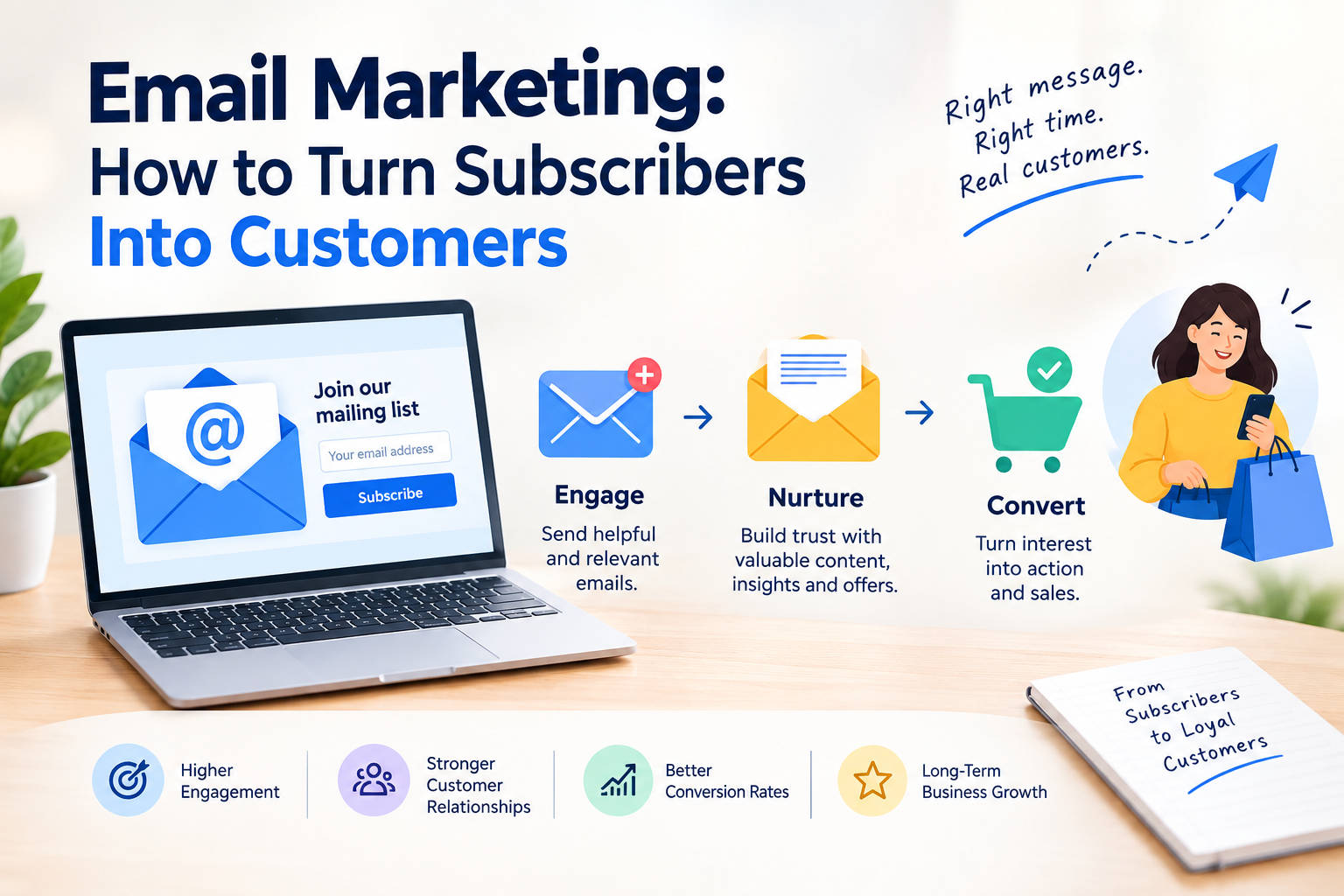
    Getting someone to subscribe to your email list is only the beginning.

    The real challenge is turning that subscriber into a customer.

    Many businesses collect hundreds or even thousands of email addresses but struggle to generate sales from them. They send promotional emails, newsletters, and discounts, yet subscribers continue to ignore their messages.

    Why?

    Because successful email marketing isn’t simply about sending more emails. It’s about sending the right message to the right person at the right time.

    A subscriber needs to understand your value, trust your brand, recognize their problem, and see why your product or service is the right solution.

    In this guide, we’ll explore practical email marketing strategies that can help businesses transform subscribers into customers.

    What Is Email Marketing?

    Email marketing is a digital marketing strategy that allows businesses to communicate directly with people through email.

    Businesses use email to:

    • Build relationships
    • Educate potential customers
    • Promote products and services
    • Share useful content
    • Announce offers
    • Recover abandoned purchases
    • Nurture leads
    • Encourage repeat purchases

    Unlike social media, where algorithms determine how much of your content people may see, email gives businesses a direct communication channel with subscribers who have chosen to hear from them.

    But having an email list doesn’t automatically generate revenue.

    You need a strategy that moves subscribers through the customer journey.

    Subscriber → Interest → Trust → Consideration → Purchase → Loyalty

    Why Subscribers Don’t Become Customers

    Before improving your email strategy, it’s important to understand why subscribers may not buy.

    Common reasons include:

    • They don’t understand your offer
    • Your emails are too promotional
    • The content isn’t relevant to them
    • You send too many emails
    • You send too few emails
    • Your subject lines don’t create interest
    • You haven’t built enough trust
    • The buying process is complicated
    • Your offer doesn’t solve an important problem
    • You’re sending the same message to everyone

    The solution isn’t necessarily to send more emails.

    The solution is to create a better customer journey.

    1. Start With a Strong Welcome Email

    The first email a subscriber receives can influence how they perceive your brand.

    Don’t waste the opportunity with a simple:

    “Thanks for subscribing.”

    Use the welcome email to establish a relationship.

    A strong welcome email can:

    • Thank the subscriber
    • Explain what they can expect
    • Deliver the promised resource
    • Introduce your brand
    • Highlight your expertise
    • Give them one useful next step

    For example, if someone downloads an SEO checklist, your welcome email should deliver the checklist and perhaps explain one useful SEO tip.

    The goal is to provide immediate value.

    First impression → Value → Trust

    2. Give Subscribers a Reason to Open Your Emails

    Your subject line is often the first thing a subscriber sees.

    A weak subject line can cause a valuable email to be ignored.

    Instead of:

    “Our Latest Newsletter”

    try something more specific and useful, such as:

    “5 SEO mistakes that can reduce your website traffic”

    Or:

    “Before you run your next Google Ads campaign, check this”

    Good subject lines should create curiosity or communicate clear value without being misleading.

    Avoid excessive clickbait.

    The goal isn’t simply to get an open.

    It’s to attract people who are genuinely interested in the content.

    3. Stop Treating Every Subscriber the Same

    One of the biggest email marketing mistakes is sending identical emails to everyone.

    Your subscribers may have completely different needs.

    For example:

    • New subscribers
    • Existing customers
    • Repeat customers
    • People who downloaded a guide
    • People who requested a quote
    • People who haven’t purchased
    • Highly engaged subscribers

    These groups shouldn’t necessarily receive the same message.

    This is where email segmentation becomes important.

    You can segment subscribers based on factors such as:

    • Interests
    • Previous purchases
    • Website activity
    • Location
    • Engagement
    • Customer status
    • Content downloaded
    • Products viewed

    The more relevant your emails become, the more useful they are to the recipient.

    4. Educate Before You Sell

    People don’t usually become customers simply because you send them a sales message.

    They need a reason to trust you.

    Educational emails can help establish that trust.

    For example, a digital marketing agency might send:

    Email 1: How to identify your target audience

    Email 2: Five common SEO mistakes

    Email 3: How to improve landing-page conversions

    Email 4: Real example of a successful campaign

    Email 5: How the agency can help

    Notice the difference.

    Instead of immediately saying:

    “Buy our service.”

    you’re showing expertise first.

    This creates a natural transition from education to purchase.

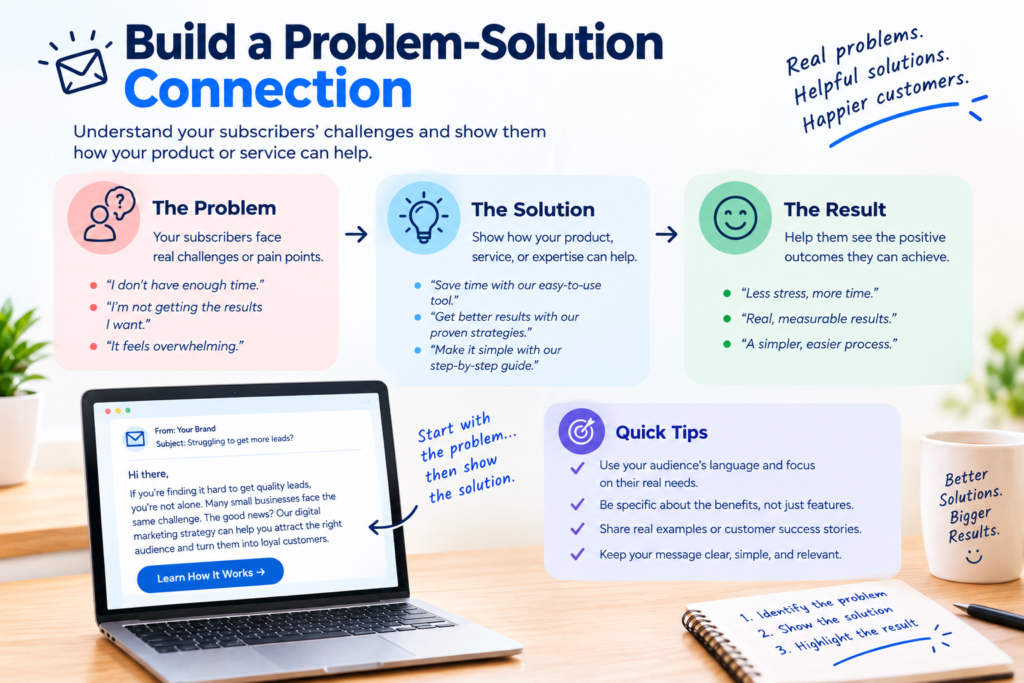
    5. Build a Problem-Solution Connection

    People don’t buy products simply because products exist.

    They buy solutions to problems.

    Your emails should therefore connect your product or service with a specific customer need.

    For example:

    Problem: A small business isn’t receiving enough website enquiries.

    Solution: A conversion-focused landing page and lead-generation strategy.

    Instead of focusing entirely on product features, explain how your offer improves the customer’s situation.

    Ask:

    What problem does my customer want to solve?

    Then build your email around that answer.

    6. Use Stories to Build Trust

    Facts and features are useful, but stories can make your emails more memorable.

    You can tell stories about:

    • Customer experiences
    • Business challenges
    • Product development
    • Mistakes you’ve learned from
    • Before-and-after results
    • Behind-the-scenes processes

    For example:

    “A local business came to us after spending months generating website traffic without receiving enough enquiries. We changed three parts of its conversion process…”

    Then explain what happened.

    Stories help subscribers understand how your product or service works in real situations.

    7. Show Social Proof

    People are more comfortable making purchasing decisions when they know others have had positive experiences.

    Use genuine social proof in your emails.

    This could include:

    • Customer testimonials
    • Case studies
    • Reviews
    • Ratings
    • Results
    • Customer stories
    • Relevant client examples

    Instead of saying:

    “Our service delivers excellent results.”

    show evidence of what customers experienced.

    Make sure any claims or testimonials are genuine and presented accurately.

    8. Create a Lead-Nurturing Email Sequence

    Not every subscriber is ready to buy immediately.

    A lead-nurturing sequence helps move potential customers gradually toward a purchasing decision.

    A simple sequence could look like this:

    Email 1: Welcome

    Introduce your business and deliver the promised value.

    Email 2: Education

    Solve a common problem related to your product.

    Email 3: Mistakes

    Explain mistakes customers should avoid.

    Email 4: Social Proof

    Share a relevant customer story or case study.

    Email 5: Solution

    Explain how your product or service addresses the problem.

    Email 6: Offer

    Provide a clear opportunity to purchase, book, or enquire.

    This sequence creates a journey instead of relying on a single sales email.

    9. Write Emails Like a Human

    People don’t want to feel like they’re receiving a corporate announcement every time they open an email.

    Use simple, natural language.

    Instead of:

    “We are delighted to inform you about our latest service offering.”

    write:

    “Need help getting more customers from Google? Here’s how we can help.”

    Keep the focus on the reader.

    Use:

    “you”

    more often than:

    “we.”

    Your emails should feel like a helpful, personal conversation—not a sales brochure.

    10. Make Your Call to Action Clear

    Every marketing email should have a purpose.

    Do you want the subscriber to:

    • Buy?
    • Book a consultation?
    • Download a guide?
    • Read an article?
    • Request a quote?
    • Start a free trial?
    • Reply to the email?

    Tell them clearly.

    Instead of a vague:

    “Click Here”

    use a specific CTA such as:

    “Book Your Free Consultation”

    or:

    “Get the SEO Checklist”

    One primary action is often better than overwhelming subscribers with too many choices.

    11. Create Offers That Actually Matter

    A discount isn’t automatically a good offer.

    Your offer should provide a clear reason for the customer to take action.

    Depending on your business, this could be:

    • Free consultation
    • Limited-time discount
    • Free trial
    • Bonus service
    • Free audit
    • Bundle offer
    • Exclusive access
    • Free shipping
    • Early access

    But don’t train subscribers to wait for discounts every time.

    If customers believe there will always be another sale tomorrow, they may have less reason to buy today.

    Focus on value, not constant discounts.

    12. Use Behavioral Emails

    One of the most effective ways to make email marketing relevant is to respond to customer actions.

    For example:

    If someone downloads an ebook → send related educational content.

    If someone views a product → send relevant information about that product.

    **If a subscriber downloads an eBook, follow up with helpful content related to that topic. If they show interest in a particular product, send useful information and offers that match their interests.**

    If someone starts a purchase but doesn’t complete it → send an appropriate reminder.

     follow this path:If someone purchases → send onboarding or product-use information.

    If someone hasn’t engaged for a long time → send a re-engagement email.

    These messages can feel more relevant because they’re connected to what the subscriber actually did.

    1. Make Your Emails Mobile-Friendly

    Many people read emails on smartphones.

    If your email looks good on a desktop but is difficult to read on a phone, you may lose potential customers.

    Use:

    Short paragraphs

    Readable text

    Clear buttons

    Simple layouts

    Optimized images

    Enough spacing

    Mobile-friendly designs

    Before sending an important campaign, test how it appears on different screen sizes.

    1. Don’t Send Emails Just for the Sake of Sending Them

    More emails don’t automatically mean more sales.

    Sending irrelevant messages too frequently can cause:

    Unsubscribes

    Lower engagement

    Spam complaints

    Subscriber fatigue

    Reduced trust

    At the same time, disappearing for months makes subscribers forget who you are.

    The right frequency depends on your audience, business model, and content quality.

    A better rule is:

    Send valuable emails consistently rather than sending emails constantly.

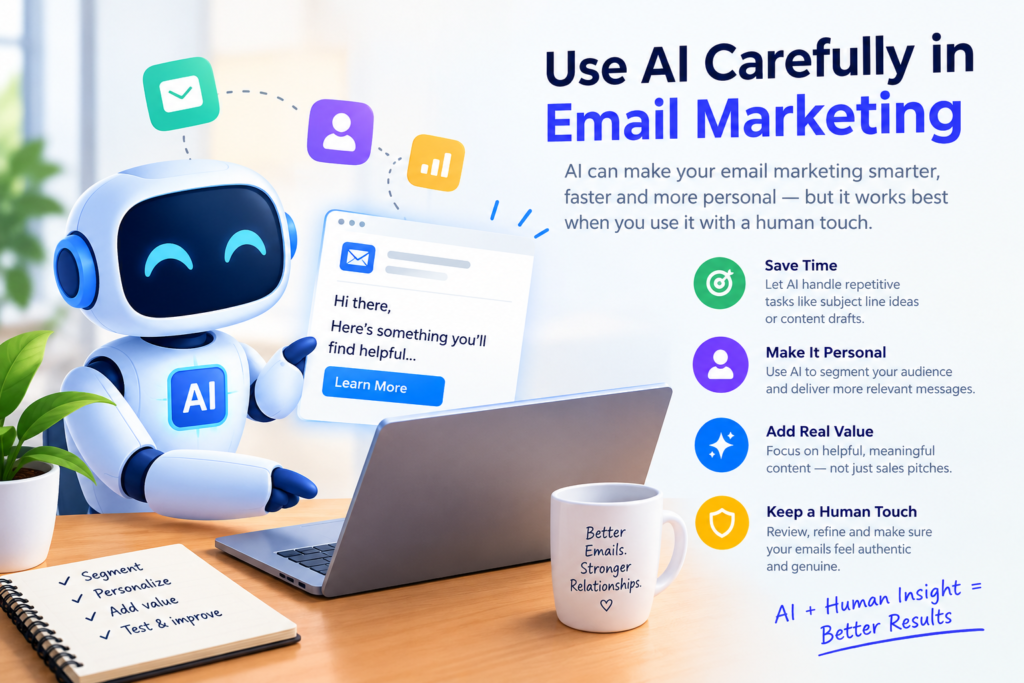
    15. Use AI Carefully in Email Marketing

    AI can make email marketing much faster.

    It can help marketers:

    Generate subject-line ideas

    Create email outlines

    Personalize content

    Segment audiences

    Analyze campaign performance

    Brainstorm offers

    Repurpose content

    Draft follow-up sequences

    But AI-generated emails shouldn’t automatically be sent without review.

    Your emails should still sound like your brand.

    Check:

    Accuracy

    Tone

    Personalization

    Claims

    Grammar

    Customer relevance

    AI should improve your workflow, not make every email sound identical.

    1. Test What Works

    There is no universal email formula that works perfectly for every business.

    Test different elements.

    For example:

    Subject line

    “5 ways to improve your website”

    vs.

    “Is your website losing customers?”

    CTA

    “Get Started”

    vs.

    “Book Your Free Consultation”

    Content

    Short email vs. detailed educational email.

    Offer

    Discount vs. free consultation.

    Use the results to understand what your audience responds to.

    However, don’t focus only on open rates.

    Also monitor:

    Click-through rate

    Replies

    Conversions

    Revenue

    Unsubscribes

    Leads generated

    Customer acquisition cost

    1. Track the Metrics That Matter

    An email campaign can have a high open rate and still generate very little revenue.

    That’s why businesses should connect email performance to actual business results.

    Important metrics include:

    Open rate: How many recipients opened the email.

    Click-through rate: How many clicked a link or CTA.

    Conversion Rate: The percentage of people who take the intended action, such as making a purchase, submitting a form, or booking a service.

    Unsubscribe rate: How many opted out.

    Revenue per email: How much revenue the campaign generated relative to the number of emails delivered.

    Email-attributed sales: Purchases or revenue associated with email campaigns based on your measurement setup.

    The most important metric depends on your goal.

    If you’re generating leads, track leads.

    If you’re selling products, track purchases and revenue.

    A Simple Subscriber-to-Customer Funnel

    A successful email strategy can

    Subscriber

    ↓

    Welcome & Value

    ↓

    Educational Content

    ↓

    Problem Awareness

    ↓

    Trust & Social Proof

    ↓

    Product/Service Introduction

    ↓

    Offer

    ↓

    Purchase

    ↓

    Customer Follow-Up

    ↓

    Repeat Purchase / Referral

    This approach is much more powerful than sending the same promotional email to your entire database.

    Common Email Marketing Mistakes to Avoid

    Buying email lists

    Purchased lists often contain people who never asked to hear from your business and can create deliverability and compliance problems.

    Sending too many promotions

    If every email focuses on “Buy now,” your subscribers may quickly lose interest and stop engaging with your messages.

    Ignoring segmentation

    Different customers have different needs.

    Writing complicated emails

    Long paragraphs and unclear messages can reduce engagement.

    Using misleading subject lines

    Short-term clicks aren’t worth damaging long-term trust.

    Ignoring unsubscribes

    Make it easy for people to manage their email preferences and unsubscribe where required.

    Failing to test

    Small changes in messaging, offers, and CTAs can affect results.

    Focusing only on open rates

    Revenue, leads, conversions, and customer value are often more meaningful than opens alone.

    A Practical 7-Day Email Marketing Plan

    If you’re building your strategy from the ground up, this simple framework can give you a clear place to start.

    Day 1: Send a welcome email.

    Day 2: Share a useful educational tip.

    Day 3: Explain a common customer problem.

    Day 4: Share a relevant customer story.

    Day 5: Introduce your product or service as a solution.

    Day 6: Answer common objections or questions.

    Day 7: Present a clear offer and CTA.

    However, that doesn’t mean every business needs to send emails to its subscribers every day.

     The sequence is a framework for planning a nurturing journey; your actual sending frequency should match your audience and business.

    Conclusion

    Successful email marketing isn’t about building the biggest subscriber list—it’s about attracting the right audience and creating meaningful engagement.

    It’s about building relationships with people who have shown interest in your business and gradually helping them move toward a purchase.

    The most effective strategy combines relevant content, segmentation, personalization, trust, social proof, behavioral triggers, strong offers, and clear calls to action.

    Don’t treat your email list like a database of addresses.

    Treat it like a community of potential customers.

    Create compelling subject lines and valuable content that make subscribers genuinely want to open your emails

     Give them useful information. Understand their problems. Show them real results. Make your offer clear. And make the buying process simple.

    When you consistently deliver value before asking for the sale, your email list can become more than a communication channel—it can become a reliable source of leads, customers, repeat purchases, and long-term business growth.

  • Hello world!

    Welcome to WordPress. This is your first post. Edit or delete it, then start writing!