
Artificial intelligence (AI) is no longer just a futuristic technology. In 2026, it has become an important part of digital marketing, helping businesses understand customers, create content, automate repetitive tasks, and make better marketing decisions.
From AI-powered search and personalized advertising to chatbots and automated content creation, AI is changing how brands attract and engage their audiences.
For small businesses in particular, AI can provide access to powerful marketing capabilities without requiring a large marketing team or budget.
In this article, we’ll explore how AI is changing digital marketing in 2026 and how businesses can use it effectively.
What Is AI in Digital Marketing?
AI in digital marketing refers to using artificial intelligence technologies to analyze data, understand customer behavior, automate tasks, and improve marketing campaigns.AI in Digital Marketing: How AI Is Changing MarketingHere are a few natural 2026-focused rewrites:
In 2026, artificial intelligence (AI) is no longer a futuristic concept—it has become a practical part of everyday life and business.
In 2026, AI has moved beyond the realm of futuristic technology and into everyday business and marketing.
Artificial intelligence (AI) is no longer a technology of the future; in 2026, it is already transforming how businesses operate and market their products.
. In 2026, it has become an important part of digital marketing, helping businesses understand customers, create content, automate repetitive tasks, and make better marketing decisions.From AI-powered search and personalized advertising to chatbots and automated content creation, AI is changing how brands attract and engage their audiences.For small businesses in particular, AI can provide access to powerful marketing capabilities without requiring a large marketing team or budget.In this article, we’ll explore how AI is changing digital marketing in 2026 and how businesses can use it effectively.What Is AI in Digital Marketing?AI in digital marketing refers to using artificial intelligence technologies to analyze data, understand customer behavior, automate tasks, and improve marketing campaigns.Traditional marketing often depends on manual research and decision-making. AI can process large amounts of information quickly and identify patterns that may be difficult for humans to detect.For example, marketers can use AI to:Generate content ideasAnalyze customer behaviorPersonalize marketing messagesAutomate customer supportOptimize advertising campaignsIdentify potential customersAnalyze SEO opportunitiesPredict customer trendsCreate reports and marketing insightsAI doesn’t necessarily replace marketers. Instead, it can help marketers work faster and focus more on strategy, creativity, and customer relationships.1. AI Is Transforming Content CreationOne of the biggest changes AI has brought to digital marketing is the ability to assist with content creation.AI tools can help marketers generate:Blog ideasSocial media captionsEmail campaignsProduct descriptionsAd copyVideo scriptsHeadlinesContent outlinesHowever, simply publishing AI-generated content is not a complete content strategy.Successful businesses still need human expertise, original ideas, accurate information, brand personality, and useful experiences for their audiences.The best approach is to use AI as a content assistant, while humans remain responsible for strategy, fact-checking, editing, and creativity.2. AI Is Changing SEOSearch engine optimization is also changing rapidly.Search engines are increasingly using AI to understand the meaning and context behind searches. At the same time, users are increasingly receiving answers directly within search experiences rather than always clicking through to traditional search results.This means businesses need to think beyond simply targeting individual keywords.A modern SEO strategy should focus on:Search intentHelpful and original contentTopic authorityClear website structureFirst-hand experienceStrong brand credibilityNatural languageTechnical SEOUseful answers to specific questionsAI can help marketers discover content gaps, organize topics, analyze competitors, and identify potential search opportunities.But businesses should avoid relying on AI to produce large quantities of generic content. Quality and usefulness remain essential.3. Personalized Marketing Is Becoming SmarterCustomers don’t want to receive irrelevant messages.AI makes it easier for businesses to personalize marketing based on customer behavior, interests, previous purchases, and interactions.For example, an online store could use AI to recommend products based on what a customer has previously viewed or purchased.An email campaign could also be customized based on a customer’s interests or stage in the buying journey.This creates a more relevant experience and can improve engagement and conversions.4. AI-Powered Chatbots Are Improving Customer ServiceAI chatbots are becoming increasingly useful for businesses that receive repetitive customer questions.A chatbot can help answer questions about:Products and servicesPricingBusiness hoursDeliveryBookingFrequently asked questionsBasic technical supportInstead of requiring a team member to answer every simple question manually, AI can handle many routine interactions.However, businesses should still provide an easy way for customers to reach a human when they have complex or sensitive issues.5. AI Is Changing Digital AdvertisingPaid advertising platforms are increasingly using automation and machine learning to help advertisers optimize campaigns.AI can assist with:Audience targetingAd variationsBudget allocationBid optimizationConversion analysisCampaign recommendationsPerformance forecastingFor marketers, this means the role of advertising is moving away from manually controlling every setting and toward setting clear objectives, providing quality creative assets, analyzing performance, and making strategic decisions.Human oversight is still important because automated systems can only work effectively when they receive accurate goals, quality data, and appropriate constraints.6. AI Helps Businesses Understand Customer DataData is one of the most valuable resources in digital marketing.Businesses collect information from websites, social media, advertising platforms, email campaigns, and customer interactions.The challenge is turning this data into useful insights.AI can help marketers identify:Which campaigns generate the most leadsWhich customers are most likely to convertWhich content performs bestWhere customers leave the buying journeyWhich products are gaining interestWhich marketing channels produce better resultsThis allows businesses to make decisions based more on data and less on guesswork.7. AI Is Improving Social Media MarketingSocial media marketers can use AI throughout the content creation and management process.AI can help with:Content ideasCaption writingContent calendarsAudience researchTrend analysisImage and video conceptsComment analysisPerformance reportingFor small businesses, this can significantly reduce the time required to maintain an active social media presence.However, social media still depends heavily on authenticity. Audiences want to connect with real people and brands, so AI-generated content should be reviewed and adapted to match the company’s genuine voice.8. Predictive Marketing Is Becoming More AccessibleOne of the most powerful applications of AI is prediction.AI systems can analyze historical data and identify patterns that may helpbusinesses anticipate future customer behavior.For example, businesses may use predictive analytics to estimate:Which customers may make another purchaseWhich leads are more likely to convertWhich products may become more popularWhen customers may stop engaging with a brandThis can help marketers act proactively instead of simply reacting to past results.9. AI Can Help Small Businesses Compete With Larger BrandsAI isn’tonly useful for large corporations.Small businesses can use AI to accomplish tasks that previously required a larger marketing team.For example, one small business owner could use AI-assisted tools to:Research a target audienceCreate a content calendarGenerate initial content draftsAnalyze website performanceDevelop email campaignsCreate advertising variationsAutomate routine customer questionsGenerate marketing reportsThis can save time and allow small businesses to focus more resources on customer service and business growth.10. The Human Element Still MattersDespite the rapid growth of AI, successful marketing still requires human judgment.AI can generate an idea, but marketers need to determine whether that idea is appropriate.AI can analyze data, but humans need to decide what action the business should take.AI can create content, but people need to ensure that the content is accurate, useful, original, and aligned with the brand.The future of marketing isn’t simply AI versus humans.It is more likely to be AI + human expertise.Businesses that combine automation with creativity, experience, empathy, and strategic thinking can create stronger marketing campaigns.How Businesses Can Start Using AI in MarketingYou don’t need to adopt dozens of AI tools immediately.A better approach is to start with one or two marketing problems.Step 1: Identify repetitive tasksLook for activities that consume significant time, such as content research, reporting, customer FAQs, or social media planning
Step 2: Choose the right AI toolSelect tools based on the specific problem you’re trying to solve rather than choosing a tool simply because it is popular.Step 3: Keep humans involvedReview AI-generated content, recommendations, and analysis before using them publicly or making important business decisions.Step 4: Measure the resultsTrack metrics such as:Website trafficLeadsConversion rateEngagementCustomer response timeAdvertising ROIContent performanceStep 5: Improve continuouslyAI marketing works best as an ongoing process. Test different approaches, an
Traditional marketing often depends on manual research and decision-making. AI can process large amounts of information quickly and identify patterns that may be difficult for humans to detect.
For example, marketers can use AI to:
Generate content ideas
Analyze customer behavior
Personalize marketing messages
Automate customer support
Optimize advertising campaigns
Identify potential customers
Analyze SEO opportunities
Predict customer trends
Create reports and marketing insights
AI doesn’t necessarily replace marketers. Instead, it helps marketers save time and focus more on strategy, creativity, and building strong customer relationships.
- AI Is Transforming Content Creation
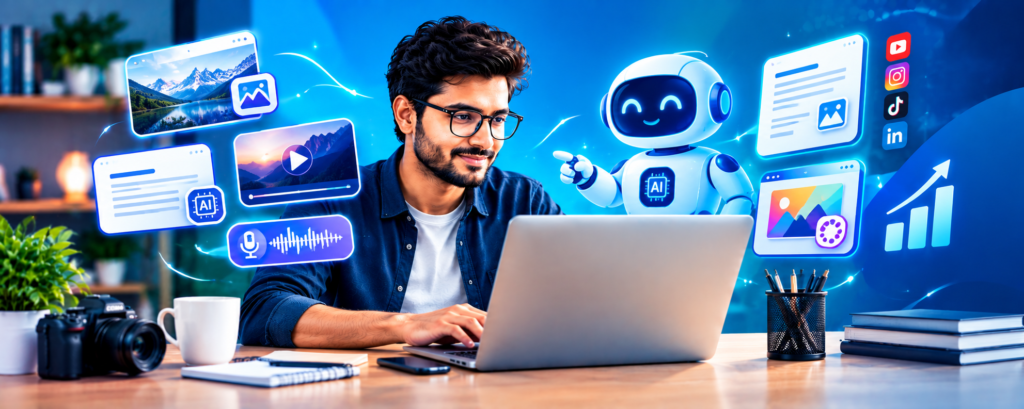
One of the biggest changes AI has brought to digital marketing is the ability to assist with content creation.
AI tools can help marketers generate:
Blog ideas
Social media captions
Email campaigns
Product descriptions
Ad copy
Video scripts
Headlines
Content outlines
However, simply publishing AI-generated content is not a complete content strategy.
Successful businesses still need human expertise, original ideas, accurate information, brand personality, and useful experiences for their audiences.
The best approach is to use AI as a content assistant, while humans remain responsible for strategy, fact-checking, editing, and creativity.
- AI Is Changing SEO
Search engine optimization is also changing rapidly.
Search engines are increasingly using AI to understand the meaning and context behind searches. At the same time, users are increasingly receiving answers directly within search experiences rather than always clicking through to traditional search results.
This means businesses need to think beyond simply targeting individual keywords.
A modern SEO strategy should focus on:
Search intent
Helpful and original content
Topic authority
Clear website structure
First-hand experience
Strong brand credibility
Natural language
Technical SEO
Useful answers to specific questions
AI can help marketers discover content gaps, organize topics, analyze competitors, and identify potential search opportunities.
However, businesses should avoid depending on AI to create large amounts of generic, repetitive content. Quality and usefulness remain essential.
- Personalized Marketing Is Becoming Smarter
Customers don’t want to receive irrelevant messages.
AI makes it easier for businesses to personalize marketing based on customer behavior, interests, previous purchases, and interactions.
For example, an online store could use AI to recommend products based on what a customer has previously viewed or purchased.
An email campaign could also be customized based on a customer’s interests or stage in the buying journey.
This creates a more relevant experience and can improve engagement and conversions.
- AI-Powered Chatbots Are Improving Customer Service
AI chatbots are becoming increasingly useful for businesses that receive repetitive customer questions.
A chatbot can help answer questions about:
Products and services
Pricing
Business hours
Delivery
Booking
Frequently asked questions
Basic technical support
Instead of requiring a team member to answer every simple question manually, AI can handle many routine interactions.
However, businesses should still provide an easy way for customers to reach a human when they have complex or sensitive issues.
- AI Is Changing Digital Advertising
Paid advertising platforms are increasingly using automation and machine learning to improve campaign performance and help advertisers achieve better results.
AI can assist with:
Audience targeting
Ad variations
Budget allocation
Bid optimization
Conversion analysis
Campaign recommendations
Performance forecasting
For marketers, this means the role of advertising is moving away from manually controlling every setting and toward setting clear objectives, providing quality creative assets, analyzing performance, and making strategic decisions.
Human oversight is still important because automated systems can only work effectively when they receive accurate goals, quality data, and appropriate constraints.
- AI Helps Businesses Understand Customer Data
Data is one of the most important assets for making informed decisions in digital marketing.
Businesses collect information from websites, social media, advertising platforms, email campaigns, and customer interactions.
The challenge is turning this data into useful insights.
AI can help marketers identify:
Which campaigns generate the most leads
Which customers are most likely to convert
Which content performs best
Where customers leave the buying journey
Which products are gaining interest
Which marketing channels produce better results
This helps businesses make informed decisions based on data rather than relying on guesswork.
- AI Is Improving Social Media Marketing
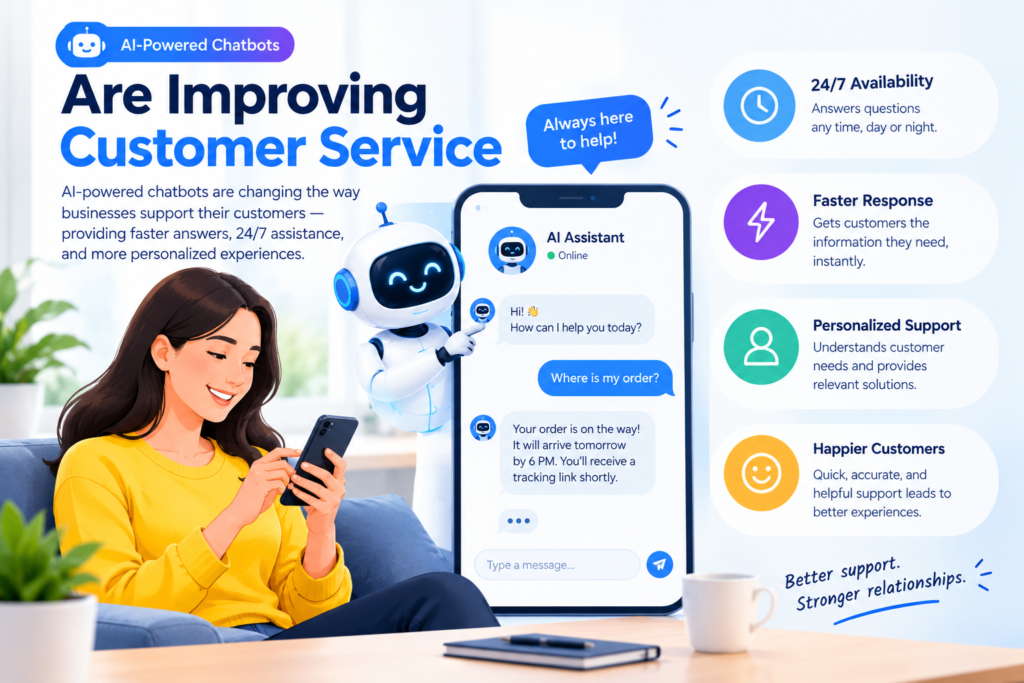
Social media marketers can use AI throughout the content creation and management process.
AI can help with:
Content ideas
Caption writing
Content calendars
Audience research
Trend analysis
Image and video concepts
Comment analysis
Performance reporting
For small businesses, this can save significant time when managing an active social media presence.
However, social media still depends heavily on authenticity. Audiences want to connect with real people and brands, so AI-generated content should be reviewed and adapted to match the company’s genuine voice.
- Predictive Marketing Is Becoming More Accessible
One of the most valuable uses of AI is its ability to predict future trends and outcomes.
AI systems can analyze historical data and identify patterns that may help businesses anticipate future customer behavior.
For example, businesses may use predictive analytics to estimate:
Which customers may make another purchase
Which leads are more likely to convert
Which products may become more popular
When customers may lose interest in a brand
This can help marketers act proactively instead of simply reacting to past results.